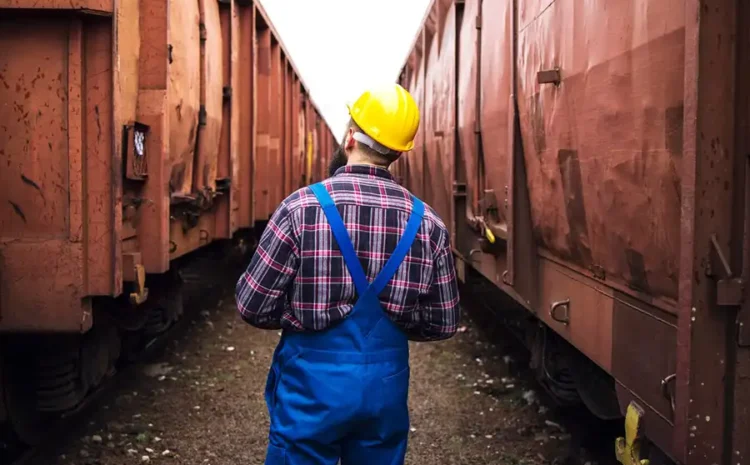
For decades, you or a loved one dedicated your life to the railroad. Whether in the engine, the yard, or the repair shop, it was hard, essential work. Now, years after retirement, you’re facing a difficult health diagnosis like mesothelioma. You might be asking yourself: could this be connected to all those years on the job? For many railroad families, the answer is yes, and it is crucial to understand your rights.
Unlike most other industries, the rights of railroad workers with asbestosis or other job-related illnesses are not covered by typical state workers’ compensation. Instead, a special federal law exists just for you. This unique system acknowledges the specific dangers of railroad work and allows you to seek compensation for medical bills, future care, and the profound impact on your family.
Many who worked for the railroad since 1982 or even earlier believe too much time has passed to get help. However, a special rule means the countdown clock for filing a claim often doesn’t start until your diagnosis, providing a potential path forward for securing mesothelioma from railroad work compensation.
The Hidden Danger: Where Asbestos Was Hiding on Locomotives and in Rail Yards
For decades, asbestos was considered a miracle material in the railroad industry. Because it was incredibly effective at resisting heat and fire, companies used it to insulate and protect countless parts on locomotives, in rail cars, and throughout repair shops. Many workers handled these materials daily, completely unaware of the invisible danger they posed.
The risk wasn’t just in the material itself, but in the work. When asbestos-containing parts were installed, repaired, or worn down, they released microscopic, sharp fibers into the air. This dust, often too small to see, would fill the air in engine rooms, brake shops, and rail yards. Workers would then breathe it in, where it could become lodged deep in their lungs. Common parts that contained asbestos included:
- Brake pads and shoes
- Insulation around pipes, boilers, and fireboxes
- Gaskets and seals
- Electrical wiring insulation
- Wall materials in cabooses and passenger cars
Perhaps the most difficult aspect of an asbestos-related diagnosis is the long delay between exposure and illness. This is known as the latency period. Like a seed planted decades ago, the asbestos fibers can sit harmlessly in the body for 20, 30, or even 50 years before they cause diseases like asbestosis, lung cancer, or mesothelioma. This is why a worker who retired in perfect health in the 1990s may suddenly face a serious diagnosis today. The process for holding a railroad accountable is different from a typical workers’ compensation claim due to this long delay and the unique nature of the work.
Why Your Claim is Different: Understanding FELA vs. Standard Workers’ Comp
If you worked in another industry, a job-related illness would fall under a state workers’ compensation program. Railroad workers, however, are covered by a unique federal law: the Federal Employers’ Liability Act, known as FELA. This law was passed over a century ago specifically to provide a path to justice for railroad employees and their families when they are harmed on the job.
The key difference between these two systems comes down to the concept of fault. Standard workers’ comp is a “no-fault” system, where benefits are often paid without having to prove the company did anything wrong. Under FELA, it’s different. You must show that the railroad was negligent—that its carelessness or failure to provide a safe workplace was at least partially responsible for your asbestos exposure.
While proving fault takes more effort, a successful FELA claim allows for more complete compensation. Workers’ comp typically only covers medical bills and a portion of lost wages. A FELA claim for asbestos exposure, however, can also account for the full human impact of your illness, including damages for pain, suffering, and the emotional distress it causes you and your family.
What You Must Prove for a Successful Railroad Asbestos Claim
Building a successful FELA case requires more than just showing you’re sick and that you worked for the railroad. Because FELA is a fault-based system, you and your legal team must connect the dots and clearly demonstrate four key things.
For a claim to be successful, you must be able to show:
- You were employed by a railroad company.
- You were exposed to asbestos while on the job.
- You have been diagnosed with an asbestos-related medical condition.
- The railroad was negligent.
The first three points are often straightforward, but the fourth—proving negligence—is the heart of your FELA case. Negligence isn’t just an accident; it’s a failure of responsibility. In this context, it means showing the railroad knew, or should have known, that asbestos was dangerous but failed to provide a safe workplace. This could mean they didn’t warn you about the risks, provide protective gear, or replace asbestos-containing materials when they knew the hazards.
The evidence needed for a railroad asbestos lawsuit often involves historical documents showing that railroads were aware of the dangers of asbestos for decades. Given this complexity, working with a specialized team like Sammons & Berry Law Firm can be essential.
Is It Too Late? How the “Discovery Rule” Protects Your Right to File
After learning your exposure might have happened decades ago, it’s natural to worry that too much time has passed to do anything about it. In the legal world, there are strict deadlines for filing lawsuits, known as the statute of limitations. For most FELA claims, this deadline is three years. If that countdown started the last time you were near asbestos in a rail yard, nearly everyone’s time would have run out long ago.
Thankfully, the law recognizes how unfair that would be for diseases that take decades to develop. For this reason, a critical exception called the “discovery rule” applies to asbestos cases. This rule essentially says the three-year countdown clock for your claim doesn’t start ticking when you were first exposed to asbestos. Instead, the clock only starts when you discover your injury.
This means the statute of limitations for railroad asbestos claims typically begins on the date you were diagnosed with an asbestos-related disease like mesothelioma and understood it was connected to your work. This provision ensures that a diagnosis today from an exposure in the 1970s doesn’t prevent you from seeking the compensation you deserve.
Building Your Case: Evidence That Strengthens Your Asbestos Claim
To succeed with a FELA claim, you must gather information that connects the dots between your diagnosis and your years of dedicated service to the railroad. It must be shown that it is more likely than not that your illness was caused by asbestos exposure that happened while you were on the job. This is where evidence becomes crucial.
You can begin organizing key information even before speaking with an attorney. Having these details ready helps paint a clear picture of your situation and strengthens your case from the very beginning.
Here is a starting checklist of the evidence needed for a railroad asbestos lawsuit:
- Medical records that confirm your asbestos-related diagnosis.
- Your work history, including company names, locations, dates, and job titles.
- Names of coworkers who remember the working conditions or did similar tasks.
- Any old photographs you might have from your time on the job.
While official documents are important, don’t underestimate the power of memory. Details about the specific tasks you performed—like replacing brake shoes or handling insulation in the engine house—are exactly what’s needed to demonstrate your exposure. Statements from former colleagues who recall the same dusty conditions can powerfully support your claim.
What Compensation Can a Railroad Asbestos Settlement Provide?
A serious diagnosis brings not just emotional stress but also significant financial strain. When a railroad is found responsible for asbestos exposure under FELA, a settlement or verdict is designed to relieve these burdens. The compensation is intended to cover the full scope of your losses, which are generally grouped into two main categories: one for direct financial costs and another for the personal, human toll of the illness.
The first part of any compensation covers your concrete, provable financial losses. This is meant to pay for all past and future medical bills, from hospital stays and surgeries to ongoing treatments and medications. It also includes lost income and benefits if your illness forced you to retire early, as well as the loss of future earning capacity. The goal of this compensation is to ensure your family’s financial stability is protected.
Just as importantly, FELA recognizes that the harm goes far beyond medical bills. Railroad asbestos settlements also provide compensation for the profound, non-financial impact on your life. This includes your physical pain, mental anguish, and loss of enjoyment of life. Because these personal losses are unique to every individual, there is no “average settlement for a railroad worker asbestos case.” Instead, the total compensation is calculated based on your specific circumstances.
Filing a Claim for a Loved One: Understanding Wrongful Death Lawsuits
The tragedy of an asbestos-related disease is that it often takes a life too soon. When a railroad worker passes away from an illness like mesothelioma, the family’s fight for justice doesn’t have to end. FELA provides a way for surviving family members to step in and hold the railroad accountable through a specific legal action known as a wrongful death claim.
The primary goal of filing a wrongful death lawsuit for asbestos exposure is to secure the financial stability that your family has lost. This compensation is meant to cover funeral expenses, the loss of the worker’s future income and benefits, and the profound personal loss of guidance and companionship. Typically, the worker’s surviving spouse and children are the ones who can bring this type of claim forward.
Many families worry it’s too late to act after a loved one has passed, but that is often not the case. The ‘discovery rule’ can apply differently in these situations, potentially starting the three-year time limit from the date of death. Because these timelines are complex, understanding your family’s full options, including potential railroad asbestos trust fund eligibility, is a critical first step. Finding the best FELA lawyers for mesothelioma cases will ensure you have an expert to evaluate the details of your situation and guide you forward.
Your First Step: How to Find the Right Legal Help for a FELA Claim
Knowing the connection between a past railroad job and a present illness clarifies your rights under the FELA law and the importance of the “discovery rule.” It also shows that a railroad asbestos case is not a typical injury claim and requires specialized legal knowledge.
Navigating a FELA claim for asbestos exposure requires a specialist. Finding one of the best FELA lawyers for mesothelioma cases is the single most important action you can take to protect your family’s future. To feel confident in your choice, use this information to ask pointed questions in a consultation:
- Do you specialize in FELA cases, specifically for asbestos?
- What is your firm’s track record with these types of cases?
- What resources do you have to investigate my work history?
- How will your firm communicate with me and my family?
A consultation is simply a conversation, not a commitment. It is your opportunity to have an expert review your story and explain your options. Firms like the Sammons & Berry Law Firm focus on these complex cases, offering the clarity and direction you need to take the next step.
ilroadasbestosclaims.com/qualify
See if you qualify for compensation
Sammons & Berry, P.C.
800-519-1440
View our Google Listing