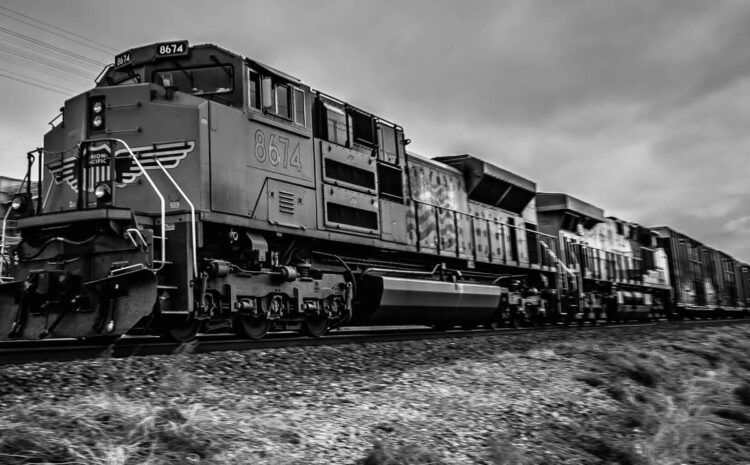
For generations, railroad workers performed demanding jobs that kept America’s transportation system moving. Engineers, conductors, mechanics, machinists, electricians, carmen, boilermakers, pipefitters, and other railroad employees often worked around locomotives, railcars, repair shops, yards, and industrial equipment.
For some workers, those jobs also meant exposure to asbestos-containing materials.
Asbestos was historically used because of its resistance to heat, fire, and friction. Railroad equipment and facilities could contain asbestos in materials such as insulation, brake components, gaskets, pipe coverings, boilers, and other equipment. When those materials were disturbed, worn, repaired, or replaced, asbestos fibers could become airborne.
Today, a former railroad worker may receive a diagnosis of mesothelioma, lung cancer, asbestosis, or another asbestos-related disease decades after leaving the railroad.
That long delay can leave workers and families asking an important question:
Are there legal options available because of railroad asbestos exposure?
The answer depends on the individual circumstances, including employment history, exposure, diagnosis, applicable law, and filing deadlines.
What Are Railroad Asbestos Claims?
Railroad asbestos claims involve legal claims brought by railroad employees who developed an asbestos-related illness that may be connected to occupational exposure.
These claims can involve federal railroad law, including the Federal Employers’ Liability Act, commonly known as FELA.
Under FELA, an interstate railroad may be liable for an employee’s injury when the injury results in whole or in part from the railroad’s negligence. The law is different from ordinary state workers’ compensation systems. (Cornell Legal Information Institute)
Because railroad asbestos cases can involve decades-old employment and medical histories, determining whether a claim exists generally requires an individualized legal evaluation.
How Was Asbestos Used on Railroads?
Asbestos was used in many industrial applications because of its heat-resistant and insulating properties.
Railroad workers could encounter asbestos in or around:
- Locomotive brakes
- Brake shoes and linings
- Boilers
- Steam pipes
- Pipe insulation
- Gaskets
- Electrical components
- Clutches
- Fireboxes
- Railcars
- Cabooses
- Railroad shops
- Maintenance facilities
The particular exposure depended on the worker’s job and the equipment or materials present.
A mechanic servicing locomotive components, for example, may have had a different exposure history from a conductor or administrative employee.
That is why a job title alone generally does not establish the extent of asbestos exposure.
Which Railroad Workers May Have Been Exposed?
Historical asbestos exposure could potentially involve numerous railroad occupations.
These may include:
Locomotive Engineers
Engineers worked around locomotives and equipment that historically could contain asbestos-containing components.
Conductors and Brakemen
Train crews could work around older locomotives, railcars, brake systems, and other equipment.
Railroad Mechanics
Mechanics and repair workers could encounter asbestos when servicing or replacing components.
Machinists
Machinists could work with equipment and parts that contained asbestos or became contaminated with asbestos dust.
Electricians
Electrical systems and insulation materials historically could contain asbestos.
Boilermakers and Pipefitters
Workers servicing boilers, pipes, steam systems, and insulation could encounter asbestos-containing materials.
Carmen and Shop Workers
Railcar maintenance and repair activities could involve asbestos-containing components and materials.
The specific circumstances of each worker’s career matter.
Why Can an Asbestos Diagnosis Happen Decades Later?
One of the most important facts about asbestos-related disease is that symptoms may not appear soon after exposure.
The Centers for Disease Control and Prevention’s Agency for Toxic Substances and Disease Registry explains that asbestos exposure can cause diseases including mesothelioma, lung cancer, and asbestosis. It also notes that signs of mesothelioma may not appear until decades after exposure. (ATSDR)
That means someone who worked for a railroad decades ago may only now be dealing with the health consequences of occupational exposure.
For families, this can make reconstructing a work history especially important.
What Diseases Are Associated With Asbestos?
Asbestos exposure has been associated with several serious health conditions.
Mesothelioma
Mesothelioma is a rare cancer affecting the tissue lining certain organs. Asbestos exposure is a major known cause of mesothelioma.
Lung Cancer
Asbestos exposure can increase the risk of lung cancer.
The risk associated with asbestos exposure can be particularly important when evaluating the occupational history of a former railroad worker.
Asbestosis
Asbestosis is a chronic lung disease involving scarring of lung tissue following asbestos exposure.
Pleural Disease
Asbestos exposure can also cause changes to the pleura, the membrane surrounding the lungs.
A medical professional should determine whether an individual’s condition is asbestos-related.
Your Railroad Work History Can Be Important
If you or a family member has been diagnosed with an asbestos-related disease, start documenting the railroad career.
Write down everything you remember, including:
- Railroad employers
- Approximate employment dates
- Job titles
- Railroad yards
- Repair shops
- Terminals
- Locomotive assignments
- Railcar assignments
- Equipment serviced
- Maintenance performed
- Railroad facilities
- Coworkers
- Supervisors
- Union information
- Retirement information
You do not need to remember every detail.
Even incomplete information can provide a starting point for an attorney investigating a potential claim.
What Equipment Did You Work Around?
Think about the equipment you worked with every day.
For example:
- Locomotives
- Freight cars
- Passenger cars
- Cabooses
- Brakes
- Boilers
- Steam systems
- Pipes
- Gaskets
- Electrical systems
- Insulation
- Mechanical equipment
Try to identify the types of repairs you performed.
Did you replace brake components?
Did you remove insulation?
Did you work around boilers?
Did you grind, cut, sand, or repair old components?
Did you work inside railroad shops where asbestos-containing materials were being repaired?
These details can help establish a more complete occupational history.
What If You Retired Decades Ago?
Retirement does not by itself determine whether a railroad asbestos claim exists.
The long latency period associated with asbestos-related disease means a worker can receive a diagnosis many years after leaving railroad employment.
The important questions can include:
- Where did you work?
- When did you work there?
- What jobs did you perform?
- What equipment did you work around?
- What asbestos-containing materials may have been present?
- What medical condition were you diagnosed with?
- When was the condition diagnosed?
- What evidence exists regarding exposure?
- What filing deadlines apply?
These questions should be reviewed based on the specific facts of the individual case.
Understanding FELA
The Federal Employers’ Liability Act is an important part of the legal framework for many railroad employee injury claims.
FELA applies to certain railroad employees and provides a federal cause of action when an employee’s injury results in whole or in part from the railroad’s negligence.
FELA cases can involve complicated questions concerning:
- Employment
- Occupational exposure
- Negligence
- Medical evidence
- Causation
- Damages
- Filing deadlines
Because of those issues, railroad asbestos litigation should be evaluated based on the worker’s individual circumstances.
Railroad Asbestos Claims Are Different From Typical Workers’ Compensation
Many employees with workplace injuries are familiar with workers’ compensation.
Railroad employees may be subject to a different legal framework.
FELA is a federal statute specifically addressing liability involving railroad employees and interstate railroad carriers.
That distinction matters when a former railroad worker is investigating an asbestos-related illness.
The legal process, evidence, deadlines, and potential claims can differ from an ordinary workplace injury case.
What Evidence Can Help?
Historical asbestos cases can involve evidence from many sources.
Potentially useful information can include:
- Employment records
- Pension records
- Union records
- Railroad personnel records
- Medical records
- Pathology reports
- Imaging
- Railroad photographs
- Equipment information
- Worksite information
- Coworker testimony
- Historical documents
- Product information
A former railroad worker may not have access to all of these records personally.
An attorney can explain what information may be useful and what additional investigation may be necessary.
Why Medical Records Matter
A diagnosis is an important part of an asbestos-related claim.
Keep copies of:
- Pathology reports
- Imaging
- Diagnosis records
- Oncology records
- Pulmonary records
- Hospital records
- Treatment records
- Physician notes
You should also make sure your healthcare providers know about your occupational history.
Your past railroad work may be relevant when your medical team is evaluating your condition.
What About Asbestos Trust Claims?
Some companies that historically manufactured or supplied asbestos-containing products later established asbestos bankruptcy trusts.
Depending on the circumstances, a person with an asbestos-related disease may potentially have claims involving one or more trusts.
Eligibility and documentation requirements vary.
A trust claim may require evidence concerning:
- Product exposure
- Employment
- Work locations
- Exposure dates
- Medical diagnosis
- Supporting documentation
Not every person exposed to asbestos qualifies for every asbestos trust.
The products, companies, exposure history, and applicable trust requirements matter.
Why Product Identification Can Matter
Historical railroad cases can involve products that are no longer used.
Some equipment may have been retired decades ago.
Some railroad facilities may no longer exist.
Some manufacturers may no longer operate.
That can make historical investigation important.
A former railroad worker may remember repairing a particular type of equipment without remembering the manufacturer of every component.
An experienced legal team can investigate historical records and other evidence to determine what products and materials may have been present.
What Should You Do After an Asbestos-Related Diagnosis?
If you worked for a railroad and have received an asbestos-related diagnosis, consider taking several practical steps.
Preserve Your Medical Records
Keep copies of all important medical documentation.
Document Your Railroad Career
Write down your employers, job duties, locations, and approximate employment dates.
Identify Potential Exposure
Think about the equipment and materials you worked around.
Preserve Old Photographs
Photographs from railroad employment may provide useful historical information.
Identify Former Coworkers
Write down names of people who may remember your working conditions.
Preserve Employment Records
Keep pension, union, employment, and retirement documents.
Get Legal Advice About Your Individual Situation
An attorney who handles railroad asbestos claims can review your history and explain potential legal options.
Do Not Assume It Is Too Late
Because asbestos-related diseases can take decades to develop, former railroad workers sometimes believe that too much time has passed to investigate a claim.
That conclusion should not be made without considering the specific facts.
Filing deadlines can apply, and the rules governing those deadlines can be complicated.
For that reason, someone diagnosed with an asbestos-related disease should consider discussing the matter with an attorney promptly.
How to Find a Railroad Asbestos Attorney
When researching an attorney, look for experience with the specific issues involved in railroad asbestos litigation.
Questions to consider include:
- Does the attorney handle railroad cases?
- Does the attorney understand FELA?
- Does the firm have experience with asbestos litigation?
- Does the legal team investigate historical railroad exposure?
- Does the firm understand asbestos trust claims?
- Can the attorney explain the legal process?
- Will the attorney review the specific facts of the case?
The answers can help you understand whether a particular firm handles the type of legal matter you are investigating.
Why Historical Investigation Matters
A railroad asbestos case may involve events that occurred decades ago.
The investigation may need to reconstruct:
- Where the worker was employed.
- What jobs the worker performed.
- What equipment the worker encountered.
- What asbestos-containing materials may have been present.
- How the worker was exposed.
- What medical condition developed.
- What legal claims may apply.
- What filing deadlines must be considered.
This is why railroad asbestos cases can require substantial investigation.
Start With What You Remember
You do not need to have a complete file of historical records before speaking with an attorney.
Start by writing down what you know.
Write down the railroad companies.
Write down the job titles.
Write down the railroad shops and yards.
Write down the equipment.
Write down the names of coworkers.
Write down when you were diagnosed.
Write down the doctors and hospitals involved in your care.
Even if some information is incomplete, it can provide a foundation for further investigation.
Railroad Asbestos Claims
If you or a loved one worked for a railroad and later developed an asbestos-related disease, understanding the connection between the railroad career and the diagnosis can be an important first step.
Asbestos was historically used in many industrial and railroad applications, and scientific evidence establishes that asbestos exposure can cause serious diseases, including mesothelioma, lung cancer, and asbestosis. (ATSDR Asbestos Health Effects)
The legal issues can be equally important.
Railroad employees may have rights under FELA, and some cases may also involve asbestos trust claims or other legal avenues.
But no two cases are exactly alike.
Employment history, exposure, medical evidence, applicable law, and deadlines all matter.
See If You May Qualify
If you are a former railroad worker who has been diagnosed with mesothelioma, lung cancer, asbestosis, or another potentially asbestos-related disease, reviewing your work and exposure history can be an important next step.
You can use the Railroad Asbestos Claim Qualification Information to learn more about the types of circumstances that may be relevant when evaluating a potential railroad asbestos claim.
A qualification review does not replace individualized legal advice, but it can help you gather the information needed for a legal consultation.
Take the Next Step
If you or a loved one worked for a railroad and developed an asbestos-related illness, consider documenting your railroad history and discussing your situation with an attorney experienced in railroad asbestos litigation.
The Railroad Asbestos Claims Legal Resource provides additional information about railroad asbestos exposure, FELA, asbestos-related illnesses, and potential legal claims.
A legal evaluation can help you understand what information is relevant to your situation and what potential legal options may be available.
Call Sammons & Berry at 800-519-1440 for a free initial evaluation.
This article provides general information and is not legal advice. Railroad asbestos claims depend on the individual facts of each case, including employment history, exposure, medical evidence, applicable law, and filing deadlines. Speak with a qualified attorney about your specific circumstances.