For generations, a job on the railroad was a ticket to the middle class—a source of pride and stability. But for tens of thousands of workers, it also came with a hidden danger lurking in the dust of engine rooms and repair shops: asbestos.
The history of asbestos use by railroad companies shows this wasn’t an accident. Because it could withstand incredible heat and friction, this “magic mineral” was intentionally woven into the very fabric of the nation’s trains, from brake linings to boiler insulation. This widespread exposure placed workers in specific jobs at the highest risk for occupational cancer, a danger that took decades to finally come to light.
Why Was Asbestos Called the “Magic Mineral” on the Railroads?
For decades, asbestos was hailed as the “magic mineral” because it wouldn’t burn. This natural, fibrous material could be packed into insulation or molded into parts, offering an almost unbelievable resistance to heat and fire. For an industry built on steel, steam, and friction, these properties weren’t just useful—they were essential.
Steam locomotives operated under extreme temperatures, and bringing thousands of tons of steel to a stop created incredible friction in the brakes. Without a material that could handle this constant assault of heat, fire was a constant and deadly risk that threatened both cargo and crew.
Because of its unique properties, asbestos became the go-to solution for insulating nearly every hot component. It was used in everything from old train brakes to the insulation wrapped around boilers and steam pipes. This material was seen not as a danger, but as a vital safety feature. But this ‘magic’ solution was hiding a hazard in plain sight, scattered throughout the cars and locomotives workers handled every day.
Where Exactly Was Asbestos Hiding on a Train?
While asbestos was used to solve heat problems, it created a hidden one everywhere it was found. The material wasn’t dangerous when it was solid and contained. The risk exploded when it was disturbed during routine maintenance, releasing a cloud of invisible fibers into the air where workers could breathe them in. This put people in certain railroad jobs at an extremely high risk for asbestos exposure.
The mineral was concentrated in the hardest-working parts of a locomotive and its cars.
High-Risk Hotspots on a Train:
- Brakes, Clutches, and Gaskets: Components that generated intense friction and heat.
- Insulation for Boilers and Steam Pipes: Wrapped around any hot pipe or vessel to prevent fires.
- Cab Heaters and Wall Panels: Used to insulate locomotive cabs and cabooses.
- Electrical Wiring Insulation: Wrapped around wires in control boxes to stop electrical fires.
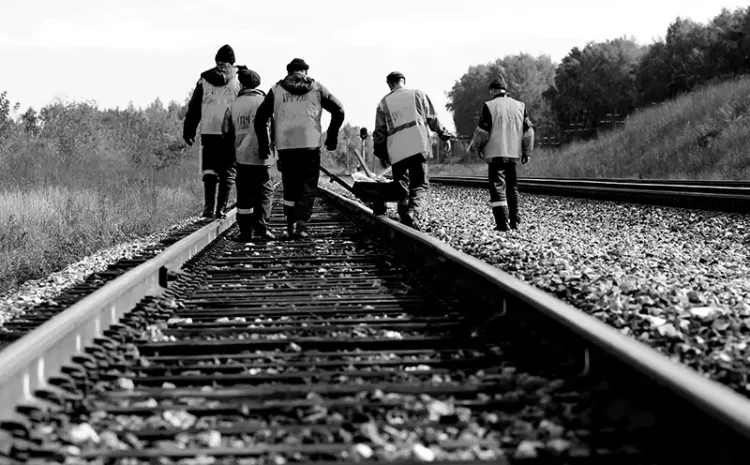
This meant that train maintenance crews—the mechanics, pipefitters, and boilermakers who kept America’s trains running—were on the front lines of exposure. Jobs that required sanding brake shoes, cutting gaskets, or tearing out old pipe insulation were especially hazardous, as these tasks sent asbestos dust billowing into the enclosed air of a roundhouse or repair shop. What they couldn’t see was what would hurt them the most.
The Long Shadow: How Asbestos Causes Disease Decades Later
The true danger for railroad workers began the moment they breathed. While a repair shop might seem dusty, the most hazardous part was invisible: millions of microscopic asbestos fibers released from worn brakes or torn insulation. Once inhaled, these fibers acted like tiny, sharp needles, embedding themselves deep within the lung tissue and surrounding membranes. They were too durable for the body’s natural defenses to break down or remove.
Unlike ordinary dust that can be coughed out, these sharp fibers were there to stay. The body, unable to expel the invaders, would trigger a constant, low-level inflammation around them. Over many years, this persistent irritation leads to the formation of scar tissue and can cause irreversible damage to healthy cells, setting the stage for serious disease.
This slow, silent damage explains the cruelest aspect of asbestos-related illnesses like mesothelioma. A worker could have been exposed in the 1960s and felt perfectly healthy for decades. But inside their body, the damage was quietly accumulating. This massive gap between the initial exposure and the first signs of sickness—often 20 to 50 years or more—is known as the latency period. It is this long shadow that makes a diagnosis so shocking for families decades after a railroad career has ended.
From Persistent Cough to Cancer: The Main Asbestos-Related Illnesses
After decades of silent damage, the health consequences for railroad workers typically fall into three main categories. The most infamous is mesothelioma, a rare and aggressive cancer that attacks the thin lining of the lungs. Caused almost exclusively by asbestos, mesothelioma from railroad work often begins with symptoms like chest pain, shortness of breath, and unexplained weight loss.
Another serious diagnosis is asbestosis, which is not a cancer but a chronic lung disease. The inhaled fibers cause so much scarring that the lungs become stiff, making it difficult to breathe. The primary symptoms of asbestosis in railway employees are a persistent, dry cough and a growing intolerance for physical activity. Exposure also dramatically increases the risk of developing traditional lung cancer, directly connecting lung cancer to railroad employment for many former workers.
.
What Every Railroad Family Should Know About Their Health History
The link between railroads and asbestos is no longer a vague danger. You can now see the story within the machine—the intense heat that demanded asbestos insulation and the dust that filled the air for generations of workers who kept the trains running.
If a family member worked on the railroad before the 1980s, especially in a maintenance or repair role, the single most powerful step you can take is sharing this history with a doctor. Simply telling them, “My father was a railroad mechanic,” provides vital context for their long-term health.
This proactive conversation is the foundation for protecting your family’s health. While legal options like FELA claims exist for those affected by asbestos-related diseases, awareness is the first and most critical step. Informing a doctor about past railroad work provides them with the context needed for proper long-term care.
https://railroadasbestosclaims.com/qualify/
See if you qualify for compensation
Sammons & Berry, P.C.
800-519-1440
View our Google Listing