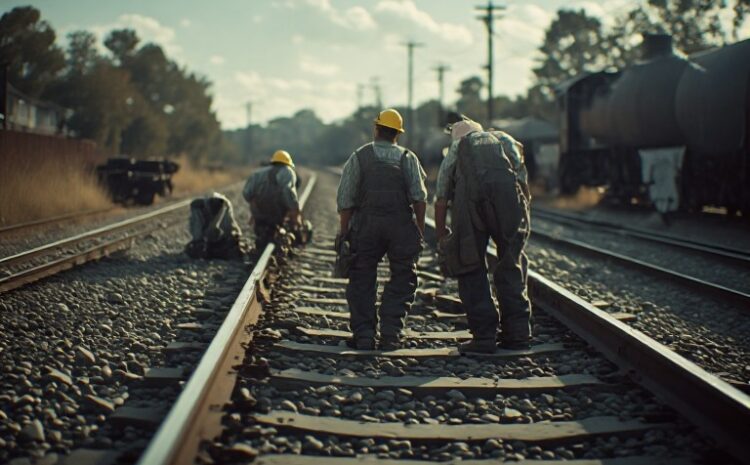
For much of the 20th century, the expansion of the American railway system was viewed as a triumph of modern engineering. Massive steel locomotives transported people and freight across vast distances, powering the industrial revolution and connecting the country. However, this incredible progress came with a heavy, hidden cost to human health.
To fully understand how the railroad industry used asbestos for decades, we have to look at the extreme physical demands of early trains. Heat management, friction control, and fireproofing were daily challenges. Because asbestos was cheap, durable, and highly heat-resistant, railroad corporations utilized it in almost every component of their fleets. Unfortunately, this “miracle material” turned out to be highly toxic, leaving a devastating legacy of illness for the workers who kept the trains running.
The Golden Age of Steam and Hidden Toxins
During the era of steam and early diesel locomotives, managing extreme engine temperatures was a primary safety concern. Train manufacturers applied thick layers of insulation to protect the crew and prevent catastrophic fires.
Mechanics and engineers routinely handled steam engine boiler asbestos lagging, a specialized thermal wrapping designed to keep massive boilers from losing heat. This lagging was prone to crumbling as it aged, releasing microscopic, razor-sharp fibers into the air inside the repair shops.
Furthermore, asbestos insulation in vintage locomotives was ubiquitous. It was stuffed into the walls, floors, and ceilings of engine cabs to shield operators from the blazing heat generated by the machinery. Years later, when the industry finally began prioritizing worker safety, the debate over fiberglass vs asbestos in railway insulation highlighted just how reliant the railroads had been on toxic materials before safer alternatives became the standard.
Where Was Asbestos Hiding on the Tracks?
The danger was not limited to the boiler room. Almost every mechanic, machinist, and repair worker in the railyard faced daily exposure. Because asbestos excels at absorbing heat and friction, it was heavily integrated into the mechanical and moving parts of the trains.
Identifying asbestos in train engine compartments today reveals a shocking array of contaminated components. Routine maintenance often meant unknowingly disturbing these toxic materials. Common exposure points included:
- Braking Systems: Brakemen and repair crews inhaled dangerous dust from railroad brake lining friction materials. Every time a massive train ground to a halt, these linings wore down, releasing a cloud of invisible asbestos fibers into the air and along the tracks.
- Seals and Valves: The historical use of asbestos in railway gaskets meant that pipefitters and mechanics were constantly scraping, cutting, and grinding toxic seals to prevent steam leaks.
- Transmission Parts: The incorporation of chrysotile asbestos in railroad clutch plates ensured that transmission maintenance was incredibly hazardous, as changing out worn plates generated significant airborne dust.
- Crew Quarters: Even the relatively small enclosed spaces at the rear of the train weren’t safe. Crews riding in the back frequently encountered asbestos-containing materials in caboose heaters, which were insulated with asbestos boards and shields.
A Modern Question: Are Old Train Cars Safe for Passengers?
Today, railway enthusiasts and daily commuters sometimes ask: are old train cars safe for passengers? Generally speaking, yes. In restored vintage trains and older commuter cars still in circulation, any remaining asbestos has usually been professionally abated or heavily encapsulated. As long as the material remains perfectly sealed and undisturbed, it does not pose a direct threat to passengers. The true tragedy of railway asbestos is almost entirely an occupational one.
The Devastating Impact on Railway Employees
Because there were virtually no strict occupational exposure limits in railroad maintenance during the mid-20th century, workers were given no masks, no warnings, and no specialized ventilation. The total lack of protocols for protecting railroad workers from toxic dust exposure meant that generations of employees inhaled these deadly fibers daily.
Consequently, the health risks for retired railroad workers are profound today. Asbestos-related diseases have a notorious latency period, often taking 20 to 50 years to manifest. Many retirees are only now facing devastating diagnoses.
It is critical for former workers and their families to be proactive about their health. Early detection is key, so you must know how to recognize mesothelioma symptoms in former railway employees. If you or a loved one worked on the railroads, watch for these warning signs:
- Persistent, dry coughing or wheezing
- Unexplained shortness of breath during light activity
- Chest or lower back pain
- Difficulty swallowing or sudden, unexplained weight loss
Actionable Tip: If you have a history of railway employment, inform your primary care physician immediately. Request regular chest X-rays or CT scans specifically tailored to screen for occupational lung diseases.
Seeking Justice: Your Legal Rights
If you or a family member has been diagnosed with mesothelioma, lung cancer, or asbestosis due to railway work, you have specific legal rights. Unlike standard employees who rely on state workers’ compensation, injured railroaders are protected by a unique federal law called the Federal Employers’ Liability Act (FELA).
FELA allows injured workers to sue their railway employers directly for negligence. Reviewing a Federal Employers Liability Act compensation guide is an excellent first step to understanding the full scope of damages you can recover, which often includes lost wages, medical expenses, and compensation for pain and suffering.
However, filing railroad asbestos lawsuits is a highly complex process. It requires proving both that the railroad failed to provide a safe working environment and that this negligence directly caused your illness. Because the laws surrounding FELA are so specialized, you need an attorney who understands the exact mechanics of historic locomotives and the history of railway corporate negligence.
For dedicated support and expert legal counsel, Choose Sammons & Berry Law Firm. Their experienced legal team understands the unique intricacies of railroad claims and fights fiercely to secure the maximum compensation that victims and their families deserve. Do not let the negligence of massive railway corporations ruin your family’s financial future.
Take action today to protect your rights. To see if you are eligible to file a claim and receive a free case evaluation, visit https://railroadasbestosclaims.com/qualify/ and take your first step toward justice.
Final Thoughts
The extensive way the railroad industry used asbestos for decades stands as a somber reminder of the sacrifices made by American workers. While we cannot undo the dangerous conditions of the past, we can take decisive action in the present. By understanding the historical risks, prioritizing specialized medical screenings, and holding responsible corporations accountable through the FELA system, former railway workers can secure the medical care and financial peace of mind they rightfully deserve.
See if you qualify for compensation
Sammons & Berry, P.C.
800-519-1440
View our Google Listing